Rooted in resistance.
Committed to the land.


Vision

The world we are working toward is one in which the human assault on natural communities has ended — not managed, not offset, not greenwashed into acceptability, but ended. A world in which humans have remembered what we actually are: one species among millions, embedded in communities of life we did not create and cannot replace.

This requires more than policy change. It requires the abandonment of human supremacy as an organizing principle — the deep assumption that the living world exists for our use, that its value is instrumental, that its destruction is an acceptable cost of human progress. That assumption is the root of the crisis. Everything else is symptom.

We do not believe the current economic system will voluntarily abandon growth and profit in time to prevent catastrophic loss. We do not believe that electric vehicles, carbon markets, or industrial-scale renewable energy represent real solutions — these technologies preserve the logic of extraction while changing its fuel source. The problem is not what we burn. It is what we believe we are entitled to do to the world.

Conservation work, for us, is not a technical exercise. It is an act of solidarity with beings who have no voice in the institutions that are destroying their homes. It is predicated on the recognition that a Coho salmon returning to cold gravel, a Spotted Owl hunting old growth in the dark, a cedar standing on a hillside it has inhabited for three hundred years — these are not resources. They are lives. They matter on their own terms, not ours.

Until that recognition becomes the foundation of our work, everything else we do will be insufficient.


Approach

We operate a dual model: direct land stewardship and fiscal sponsorship of grassroots initiatives. These are not separate programs — they are expressions of the same underlying commitment. Protecting a Coho salmon watershed and sponsoring a mining resistance campaign are both acts of loyalty to the living world against the logic of extraction.

Our biocentric orientation means we take seriously the interests and inherent worth of nonhuman beings — not as a rhetorical gesture but as a practical constraint on how we work. We do not pursue conservation that trades ecological integrity for political palatability. We do not sponsor projects that compromise on the fundamental dignity of the living world.

We are a small organization. We do not pretend otherwise. What we offer is not scale but alignment — a fiscal and legal home for work that cannot find a home elsewhere, and a commitment to holding land in perpetuity for the benefit of the communities of life that inhabit it.


History
  • 2009

    Founded in Bellingham, Washington as a grassroots environmental education nonprofit. Began organizing in the community against the operation of Tar Sands pipelines beneath the city.

  • 2011–2012

    Organized a speaking tour across the West Coast, building coalitions across Indigenous, feminist, anti-war, and environmental movements.

  • 2010–2014

    Secured $250,000 in funding to organize the Earth At Risk conference series in the San Francisco Bay Area. Events featured Arundhati Roy, Alice Walker, Vandana Shiva, Chris Hedges, Dominique Christina, and other prominent social and ecological justice advocates. Over 1,000 attendees across the series.

  • 2009–2019

    Fiscally sponsored approximately a dozen grassroots ecological initiatives, including Protect Thacker Pass, the Pinyon-Juniper Alliance, Rural Watch Africa Initiative, Viveros Farm, Mountain and Waters Alliance, the Sovereign Housing Project for the Ahousaht First Nation, and the Good Grief Group.

  • 2019

    Hosted Indigenous and Women of Color Rise in Seattle, Washington — an event focused on male violence, sexual exploitation, objectification, and racialization.

  • 2024

    Transitioned to a land conservancy model with a focus on conserving ecologically and culturally significant lands in the western United States, alongside continued fiscal sponsorship of aligned grassroots initiatives.

  • 2025

    Took ownership of our first stewarded parcel — 15 acres in the Elk Creek watershed, Del Norte County, California. Habitat for endangered Coho salmon, Northern Spotted Owl, Port Orford cedar, Pacific Giant salamander, Roosevelt elk, cougar, and black bear.


Board & Staff
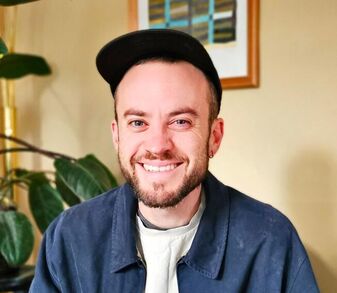
  • Dillon Thomson

    Dillon Thomson

    Executive Director

    Dillon is a co-founding member of Fertile Ground Conservancy and its first Executive Director. He grew up in the damp green of occupied Chehalis land — part of what is now known as western Washington State — a land plagued by clearcuts and dripping with wild beauty. It was seeing this beauty and wildness continually eaten away by new industry and development that made Dillon realize the dominant economic system is fundamentally at odds with the natural world. Later, he found a home for his love and grief in the deep ecology and conservation movements.

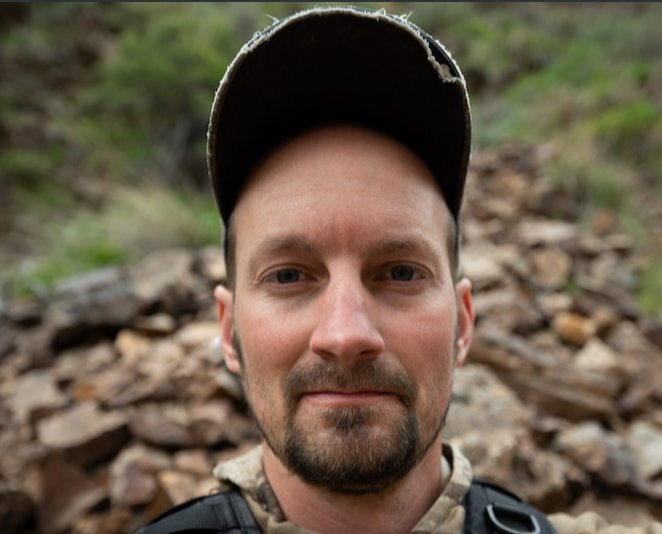
  • Max Wilbert

    Max Wilbert

    Board President

    Max Wilbert is a writer and biocentric community organizer who has been part of grassroots political work for 20 years. He is the founder of Protect Thacker Pass and the author of two books, most recently Bright Green Lies: How The Environmental Movement Lost Its Way and What We Can Do About It (Monkfish, 2021). His work has been featured in the New York Times, CNN, NPR, Le Monde, BBC, and elsewhere.

  • Saba Malik

    Saba Malik

    Secretary

    Saba Malik has dedicated her adult life to environmental activism and community organizing. She has spoken at leading conferences including PIELC and Earth At Risk, sharing insights on ecological justice and the urgent need for systemic change. Currently, Saba focuses on supporting at-risk youth in the Bay Area through material assistance and mentorship. An early member of Fertile Ground, she brings decades of experience, passion, and vision to building a more just and sustainable future.

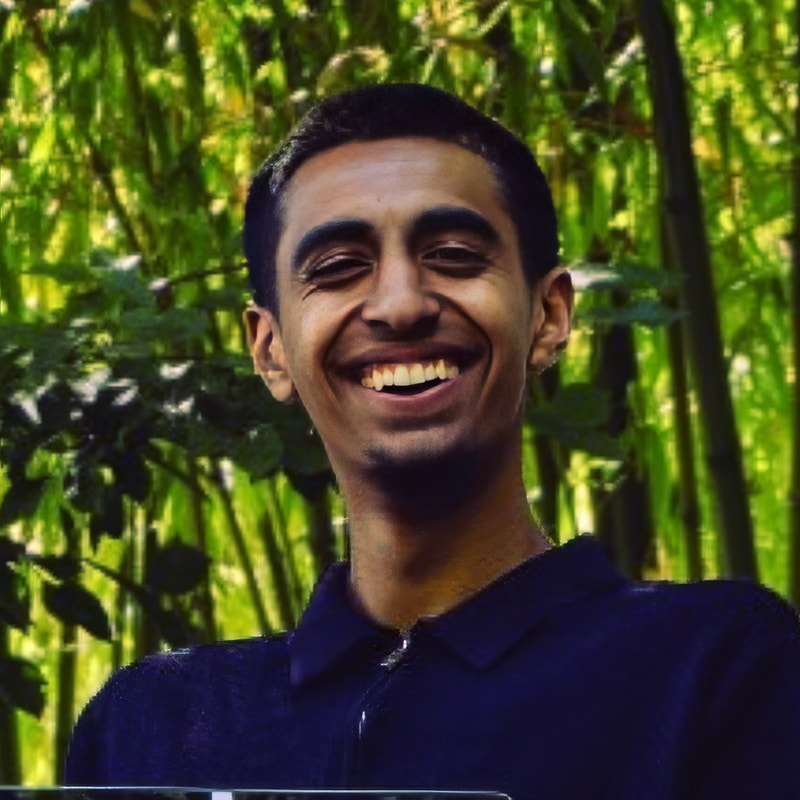
  • Rahman Malik

    Rahman Malik

    Treasurer

    Rahman is a visionary entrepreneur who chose to diverge from the traditional path by forgoing college to pursue his dreams as a business owner. Fertile Ground Conservancy represents his passion for protecting wild nature, where he finds solace and thrives amidst the serenity of the wilderness.


Support the work →